5 Quality Workouts to Boost Your Running Pace – For Any Distance
Whether you’re training for a local 5K, a challenging trail run, or a full marathon, improving your pace is a common goal among runners. Speed work doesn’t just make you faster — it builds strength, endurance, and running efficiency, helping you perform better on race day and feel stronger in every training session.
In this article, we’ll share five quality workouts that can help you improve your running pace for any distance. These training sessions are adaptable for beginners and experienced runners alike, and can be adjusted whether you run on urban roads, scenic coastal routes, or Portugal’s rugged trail landscapes.
1. Interval Training – Your Shortcut to Speed
Intervals involve running at a faster pace for short bursts, followed by rest or easy jogging. This trains your body to handle faster speeds and improves cardiovascular capacity.
Example: 8 × 400m at 5K pace with 90 seconds of rest.
Adaptation:
- For 5K/10K runners: shorter reps, higher intensity.
- For half-marathon/marathon runners: longer reps (800m–1,200m) at tempo pace.
In Portugal, tracks are available in most cities, but you can also do intervals on a measured stretch of road or flat trail.
2. Tempo Runs – Building Sustainable Speed
A tempo run teaches you to run “comfortably hard” — fast enough to push your limits, but sustainable for 20–40 minutes. This improves your lactate threshold, meaning you can run faster without fatigue setting in too quickly.
Example: 20 minutes at your 10K pace + 10–15 minutes easy jogging.
Adaptation: Shorter tempos for beginners (10–15 min), longer ones for endurance runners.
Portugal’s coastal paths, like the Cascais-Guincho route, are perfect for steady tempo efforts with inspiring ocean views.
3. Fartlek – Speed Play for All Terrains
Fartlek, Swedish for “speed play,” mixes fast and slow running without strict structure — perfect for breaking routine and adding fun to your training.
Example: 1 minute fast / 1 minute easy × 10 rounds.
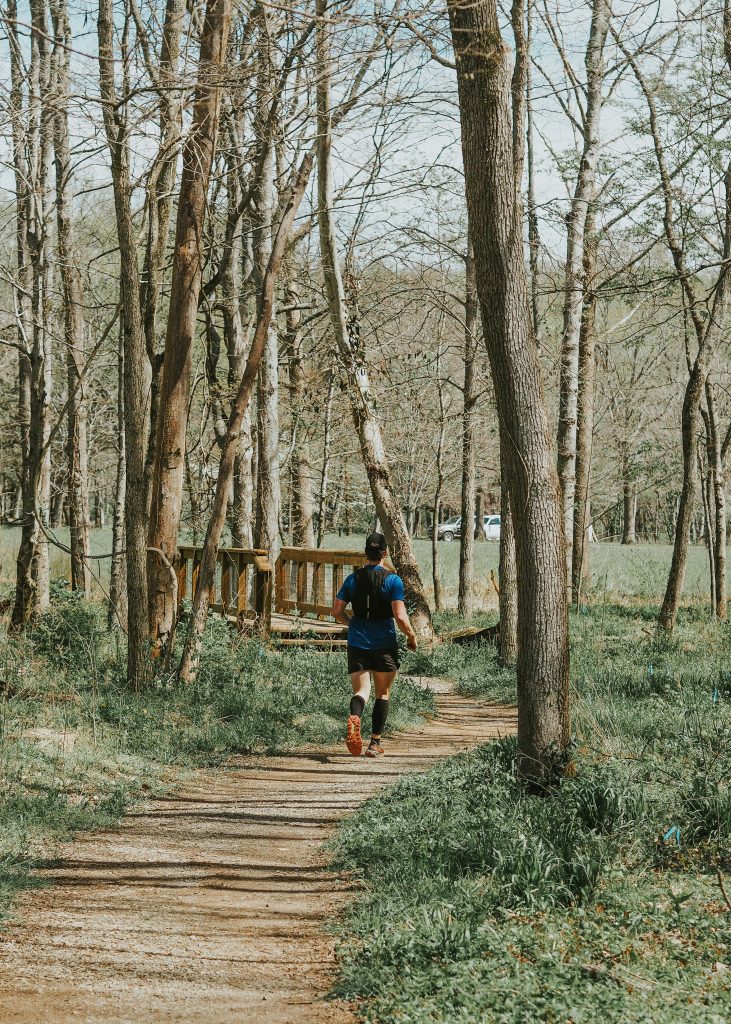
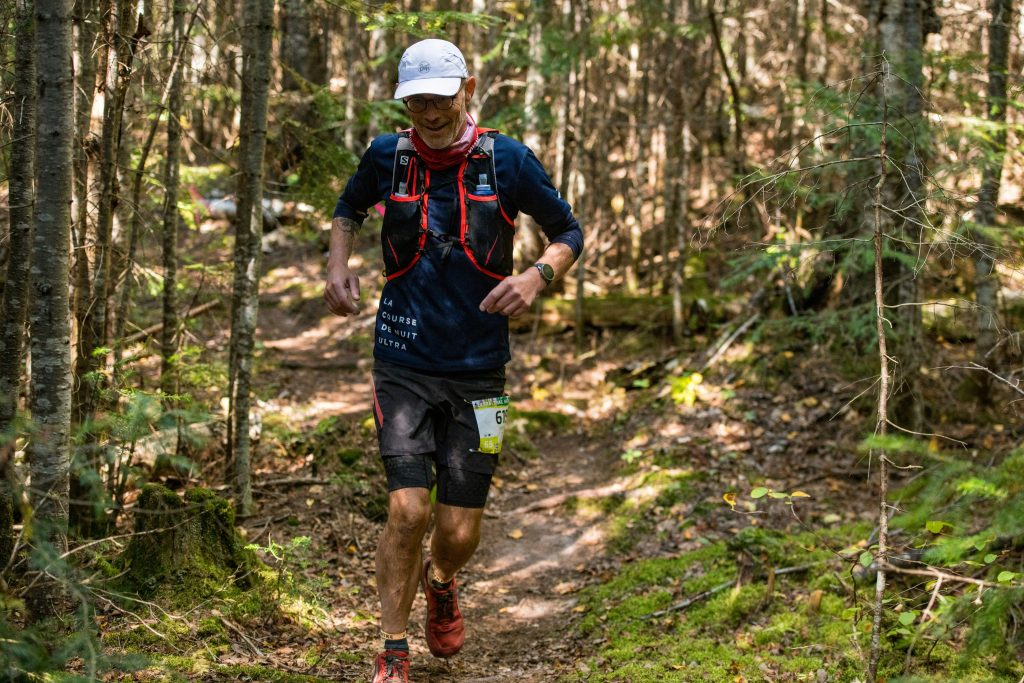
Trail adaptation: Use natural landmarks — run fast to the next hill, jog to the next tree, repeat.
This is ideal if you run in Portugal’s rural and forest trails, where terrain naturally changes pace and intensity.
4. Hill Repeats – Strength Meets Speed
Running uphill builds leg power, improves running form, and boosts cardiovascular fitness. The strength gained from hills transfers directly into faster flat running.
Example: 8 × 60–90 seconds uphill, jog back down for recovery.
Adaptation: Beginners can start with 4–5 reps; advanced runners can extend to 2–3 minutes uphill.
From Lisbon’s Monsanto Park to Porto’s Serra do Pilar climb, hills are everywhere — and they’re free, natural training tools.
5. Long Runs with Fast Finish – Race-Day Simulation
Long runs are essential for endurance, but adding a fast finish mimics the fatigue of race day and teaches you to push when tired.
Example: Run 75% of your long run at easy pace, then the last 25% at goal race pace.
Adaptation: Works for 10K to marathon — just adjust total distance.
This is especially useful for events in Portugal with warm weather or rolling terrain, helping you prepare for real race conditions.
Final Tips for Incorporating These Workouts
- Frequency: Include 1–2 quality sessions per week, with easy runs or rest days in between.
- Listen to your body: Increase volume and intensity gradually to avoid injury.
- Combine with strength training: Especially for trail and hill runners, to improve stability and power.
By mixing these five workouts into your training, you’ll not only run faster, but also improve efficiency, endurance, and mental resilience — whether your goal is a local charity race, a coastal half marathon, or one of Portugal’s epic trail events.