Open Water Swimming in Portugal: Safety, Temperatures & Best Spots

Open water swimming has been growing rapidly in Portugal — not just among triathletes, but also among swimmers looking for a freer, more natural connection with the water.
Training outside the pool offers a unique sense of immersion and challenge: the contact with nature, the unpredictability of the conditions, and the pleasure of swimming without walls or lanes to guide you.
But as liberating as it is, open water swimming also requires care, preparation, and respect for local conditions.
Here’s a complete and practical guide to swimming safely in Portugal’s open waters, with real data, temperature insights, and the best locations across the country.
🌡️ Water Temperature in Portugal
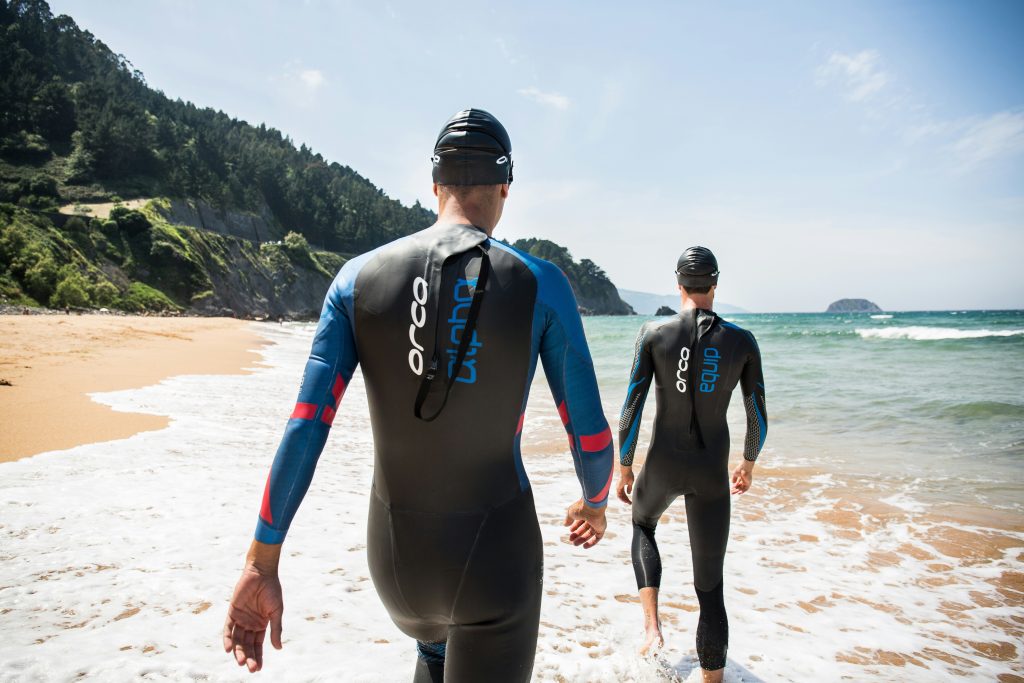
Portugal’s mild climate allows for outdoor swimming most of the year — though a wetsuit is recommended outside the summer months.
| Region | Season | Average Water Temperature |
|---|---|---|
| Algarve | June – September | 20 °C – 23 °C 🏖️ |
| Lisbon / Setúbal | June – September | 18 °C – 21 °C |
| Central Coast (Figueira, Nazaré, Peniche) | June – September | 17 °C – 20 °C |
| North (Porto, Viana do Castelo) | June – September | 16 °C – 18 °C |
| Inland Lakes / Dams | May – October | 19 °C – 24 °C 🌅 |
👉 Between November and April, temperatures can drop to 13 °C – 15 °C, making thermal gear (neoprene cap, gloves, socks) and gradual cold-water adaptation essential.
🛟 Safety First: How to Swim Smart
Whether you’re swimming in the Atlantic or an inland dam, safety must always come first.
- Never swim alone. Even experienced swimmers should train with a partner or kayak support.
- Use a safety buoy. It increases visibility and can serve as flotation support when resting.
- Check conditions before entering. Currents, tides, and wind can change quickly — especially along the west coast.
- Avoid busy boating areas. Stay parallel to the shore and away from marinas or jet-ski routes.
- Start short. Cold water and waves add resistance — allow your body to adapt gradually.
💡 Extra tip: Use a brightly colored swim cap and always swim parallel to the coast, not out to sea.
📍 Best Spots for Open Water Swimming in Portugal
From tranquil beaches to inland lakes, Portugal is full of scenic, safe places for training and recreation.
1. Praia da Luz (Lagos, Algarve)
Calm waters, mild temperatures until October, and great visibility. Perfect for triathletes in base training.
2. Lagoa de Óbidos (Óbidos / Foz do Arelho)
A protected lagoon with moderate currents and a peaceful environment — great for long endurance sessions.
3. Praia de Alvor (Portimão)
A long, shallow beach with calm mornings and ideal conditions for group training sessions.
4. Alqueva Dam (Alentejo)
Warm freshwater and no waves — excellent for long-distance training or triathlon simulation.
5. Praia da Adraga (Sintra)
For advanced swimmers only. Stronger currents but one of the most stunning coastal landscapes in Portugal.
6. Praia de Matosinhos (Porto)
A classic northern training spot, monitored during the summer season and easily accessible from the city.
🏅 Training Tips for Swimmers and Triathletes
- Alternate pool technique sessions with open water rhythm and navigation training.
- Practice sighting (lifting your head every 6–8 strokes) and bilateral breathing.
- Use GPS watches (Garmin, Coros, Suunto) to track distance and route.
- After each swim, rinse your wetsuit with fresh water and rehydrate properly.
- During colder months, train shorter but more frequently to maintain cold-water adaptation.
🌊 Portugal: An Open Water Paradise
With over 800 km of coastline and dozens of inland lakes, Portugal is a true open-water and triathlon paradise.
From daily training sessions to world-class events — such as the Setúbal Open Water Race, Cascais Triathlon, and Crossing Madeira — there’s something for every endurance level.
The secret is simple: respect nature, know your limits, and enjoy the freedom that comes with every stroke.
👉 Discover open-water and triathlon events across Portugal at RaceFinder.pt