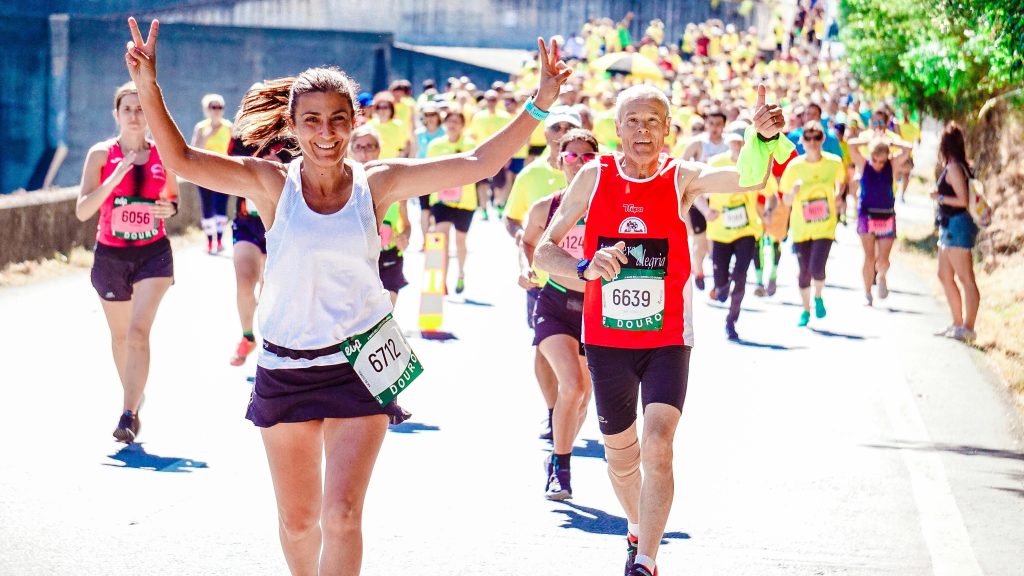
Tapering: The Art of Resting Before the Lisbon Marathon

The countdown has begun.
With just days to go before the Lisbon Marathon and Half Marathon, the hard training is behind you. The long runs, early mornings, and tempo sessions are done. Now comes the hardest part for most runners — doing less.
This phase is called tapering.
And while it may seem like “not training enough,” it’s one of the most important parts of your entire preparation.
🕰️ What is Tapering?
Tapering is the gradual reduction of training volume and intensity before a race.
The goal: to let your body recover from accumulated fatigue, restore muscle glycogen, and reach peak condition on race day.
In short, it’s about training smarter, not harder — giving your body the time it needs to absorb all the work you’ve done so far.
Think of tapering as the bridge between training and racing: where the body rebuilds, the legs recharge, and the mind refocuses.
📅 How Long Should It Last?
The ideal taper depends on your race distance and training load:
- Marathon (42 km): 2–3 weeks of gradual reduction.
- Half Marathon (21 km): 7–10 days is enough.
The rule of thumb:
Reduce your total weekly mileage by 40–60%, but keep some intensity with short intervals or controlled tempo runs.
Your body still needs movement — just less stress.
💡 Example:
If you’ve been running 60 km per week, drop to 35–40 km. Keep one light interval session and a shorter long run (around 16–18 km for marathoners).
🧬 What Happens to the Body During Tapering
Tapering is proven to improve performance by 2–3%, which can mean several minutes off your finish time.
During this phase, your body:
- Replenishes glycogen stores.
- Repairs micro-tears and inflammation.
- Reduces stress hormones.
- Improves muscle efficiency and focus.
You’ll feel lighter, sharper, and stronger on race day — if you trust the process.
🥗 Nutrition and Hydration
Your nutrition should reflect your reduced training load — balanced, familiar, and focused on recovery.
In the last 3 days before the race, slightly increase your carbohydrate intake (pasta, rice, bread, potatoes, oats) to top off glycogen stores.
👉 Don’t overdo it — the goal is to fuel smartly, not overeat.
💡 Pro tip:
- Stick to meals you know work well for you.
- Eat your pre-race breakfast during this week to test digestion.
- Drink water regularly and include electrolytes, especially if it’s warm.
😴 Sleep: The Invisible Training
During tapering, recovery is your best workout.
Aim for 7–9 hours of sleep per night, and if possible, add short naps on rest days.
Sleep is where your body rebuilds muscle, restores hormones, and consolidates motor memory — it’s where your training truly sinks in.
💤 Tip:
Don’t panic if you sleep poorly the night before the race — it happens to everyone. Focus on sleeping well in the two nights before.
🧘 The Mental Side: Resting the Mind
When the kilometers drop, the doubts rise:
“Am I losing fitness?”
“Should I squeeze in one more long run?”
No — you shouldn’t. The work is done.
Tapering isn’t just for the body — it’s also a mental reset.
It’s your time to slow down, visualize the race, and reconnect with your purpose.
Picture the Lisbon Marathon course — the blue sky, the Atlantic breeze, the rhythm of footsteps through Cascais, Belém, and along the Tagus River.
Imagine crossing the finish line at Terreiro do Paço, hearing the crowd, and feeling everything fall into place.
This is tapering: less effort, more focus.
🏁 Final Days Before the Race
✅ Cut mileage but keep your legs moving.
✅ Don’t try new shoes, clothes, or nutrition.
✅ Hydrate consistently throughout the day.
✅ Keep meals simple and familiar.
✅ Prepare your gear and visualize your pacing strategy.
On race weekend, soak in the city’s energy — the excitement, the community, the sea breeze.
When the starting gun fires, trust your training and let your body do what it knows best.
💫 Lisbon Awaits
The Lisbon Marathon (October 25) and Lisbon Half Marathon (October 26) aren’t just races — they’re celebrations of endurance, resilience, and joy.
The tapering phase is the calm before that celebration — the final stretch where rest turns into strength.
You’ve done the hard work. Now it’s time to breathe, recover, and get ready to run your best race yet.
👉 Discover more race guides and running events across Portugal at racefinder.pt