How to Choose the Right Running Gear as Temperatures Start to Drop (Simple Guide)

It’s not winter yet, but we’re already feeling the temperatures drop.
Mornings are colder, the wind feels sharper and many runners are starting to wonder: “What should I wear for my runs now?”
The good news: with the right gear, running in cooler weather can actually be more comfortable than running in summer — steadier pace, less fatigue and a refreshing feel that helps performance.
Here’s a simple guide to help you choose the essential gear for running safely and comfortably as colder days arrive.
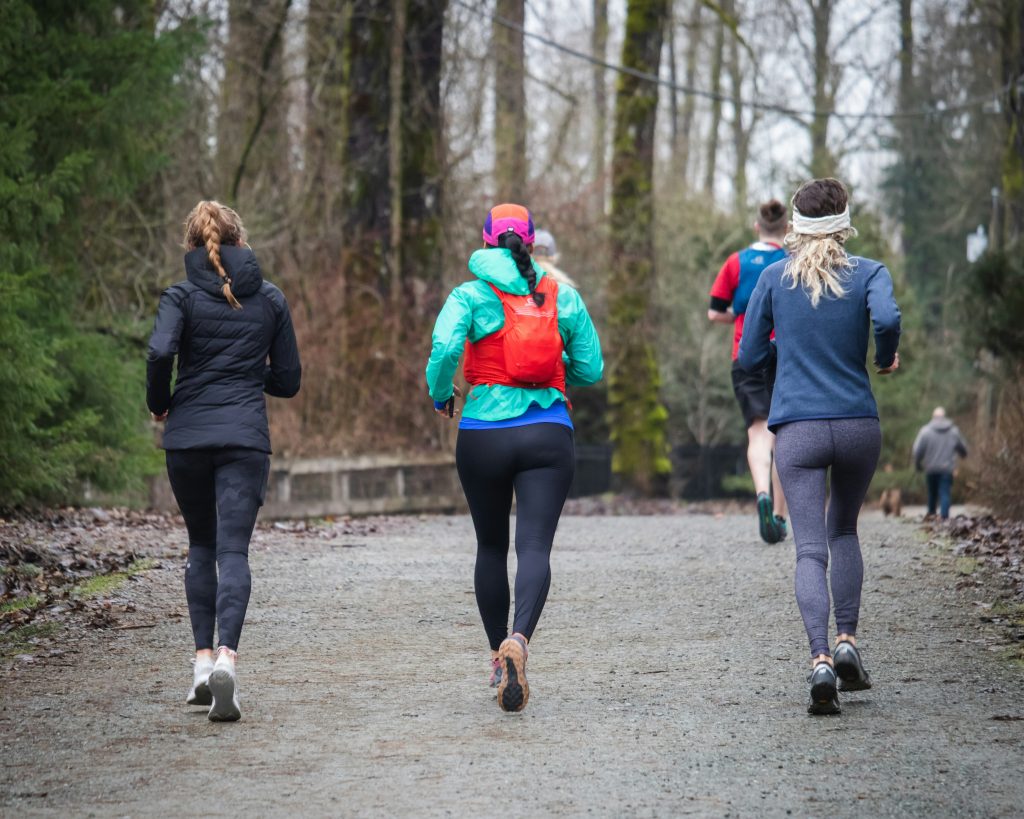
1) Think in layers — not heavy clothing
When temperatures start to drop, the key is simple:
use light layers that you can adapt, instead of heavy, bulky clothing.
The ideal combination:
- Base layer: breathable + moisture-wicking
- Mid layer: light thermal or fleece
- Outer layer: windproof or waterproof jacket (depending on wind/rain)
Golden rule: if you start the run feeling slightly cold, you’re dressed correctly. Your body warms up quickly.
2) Prioritise technical fabrics
Cotton absorbs sweat and becomes cold.
Technical fabrics keep you warm and dry, even when you sweat.
Look for:
- breathable material
- quick-dry fabric
- thermal protection
- wind-resistant layers
- lightweight fleece
Small fabric choices make a big difference in comfort.
3) Protect hands, ears and face
As temperatures drop, these are the first areas to feel the cold.
Cold-weather essentials:
- light thermal gloves
- buff or neck gaiter
- ear band or beanie
- sunglasses (low winter sun can be harsh)
4) Choose the right shoes — and consider grip
The first rains make the ground slippery — both on the road and on the trail.
Best options:
- road shoes with good traction, or
- trail shoes with a more aggressive sole
Avoid highly ventilated shoes — cold feet = uncomfortable run.
5) Don’t ignore visibility
Shorter days mean many runs will be at dawn or late afternoon.
Visibility checklist:
- reflective details on clothing
- reflective vest
- clip-on rear light
- headlamp for trails or dark streets
Safety first — especially with fog or low light.
6) Hydration still matters
Cold weather can “hide” the sensation of thirst, but you continue to lose fluids through sweat and breathing.
Drink before leaving home, and carry water on runs longer than 45 minutes.
As temperatures drop, preparing the right gear makes all the difference.
Focus on light layers, thermal protection, visibility and proper footwear — and you’ll keep training comfortably, safely and consistently through the colder months.
👉 Find the best winter running events and trails in Portugal at RaceFinder.