How to Improve Your Cycling Performance: Training Tips for All Levels

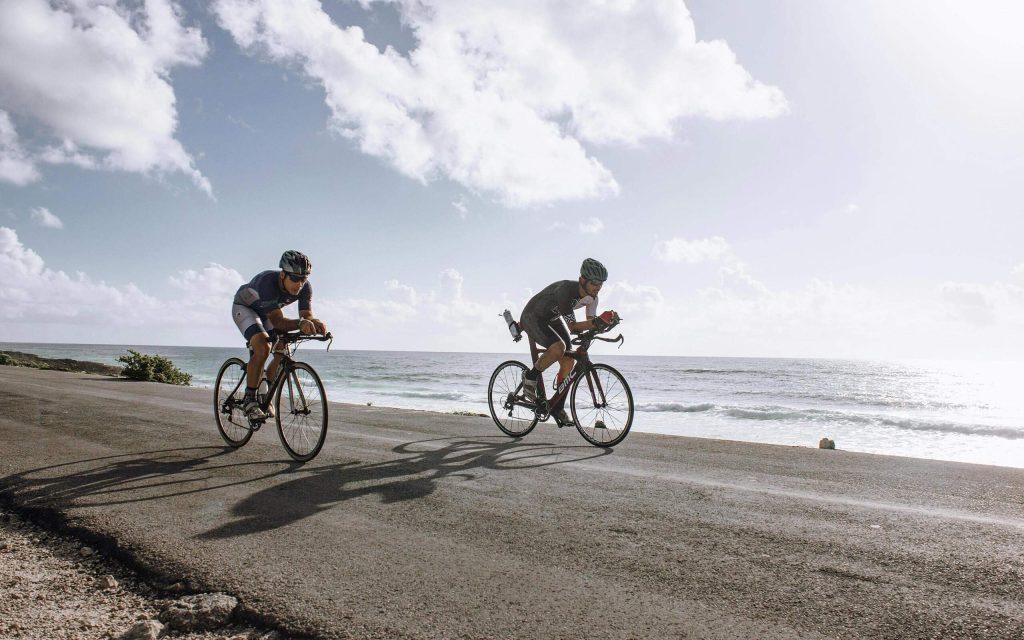
Cycling is more than just pedalling – it’s about endurance, strategy, and smart training. Whether you’re preparing for your first long-distance ride or aiming to shave minutes off your race time, the right approach can make all the difference. Here are some key tips to help cyclists of all levels improve their performance and get the most out of every ride!
1. Build a Solid Base with Endurance Training
Long-distance cycling events require a strong aerobic base. Focus on low-intensity, long-duration rides (Zone 2 training) to build endurance efficiently.
🔹 Tip: Start with 2-4 hour rides at a comfortable pace, gradually increasing your weekly mileage. 🔹 Example Workout: 80KM ride at 60-70% max heart rate.
2. Increase Power with Interval Training
To improve speed and strength, integrate high-intensity interval training (HIIT) into your routine. Short bursts of intense effort followed by recovery can enhance power output and efficiency.
🔹 Tip: Try 4×5-minute intervals at 90% effort with 3-minute recoveries.
🔹 Example Workout: 10-minute warm-up ➝ 4×5 min hard effort ➝ 10-minute cool-down.
3. Master Your Climbing Skills
Climbing is one of the biggest challenges for cyclists. Improving your technique and leg strength will help you conquer hills with confidence.
🔹 Tip: Focus on maintaining a steady cadence (70-90 RPM) and staying relaxed in the saddle.
🔹 Example Workout: Ride hilly routes once a week, practicing seated and standing climbs.
4. Optimize Your Nutrition for Energy and Recovery
Fueling properly before, during, and after rides is key to maintaining performance and avoiding burnout.
🔹 Pre-Ride: Eat complex carbs + lean protein (e.g., oatmeal with nuts & yogurt).
🔹 During Ride: Consume 30-60g of carbs per hour (e.g., energy bars, bananas, electrolyte drinks).
🔹 Post-Ride: Replenish with protein + carbs (e.g., chicken with quinoa & veggies).
5. Improve Bike Handling & Efficiency
Riding smoothly and efficiently conserves energy, helping you perform better in races and long rides.
🔹 Tip: Practice cornering, braking, and riding in different positions to improve control.
🔹 Example Workout: Dedicate 30 minutes per week to technical drills like tight turns and fast descents.
6. Don’t Forget Strength & Mobility Training
Cycling mainly uses the lower body, but core strength and flexibility are just as important.
🔹 Tip: Add 2-3 strength sessions per week, focusing on core, glutes, and leg strength.
🔹 Example Workout: Squats, lunges, planks, and hamstring stretches.
7. Plan Rest & Recovery Days
Overtraining can lead to fatigue and injury. Listen to your body and schedule regular recovery days.
🔹 Tip: Take at least 1-2 days off per week or do low-intensity rides.
🔹 Recovery Tools: Foam rolling, massage, hydration, and quality sleep.
Final Thoughts: Train Smart & Enjoy the Ride!
Every cyclist has different goals, whether it’s endurance, speed, or climbing ability. The key to progress is consistency, strategic training, and smart recovery.
What’s your next big cycling challenge?