More Than a Record: What Kipchoge’s Legacy at the Sydney Marathon Can Teach Amateur Runners

Paula Veloso
by Paula Veloso
5 months ago

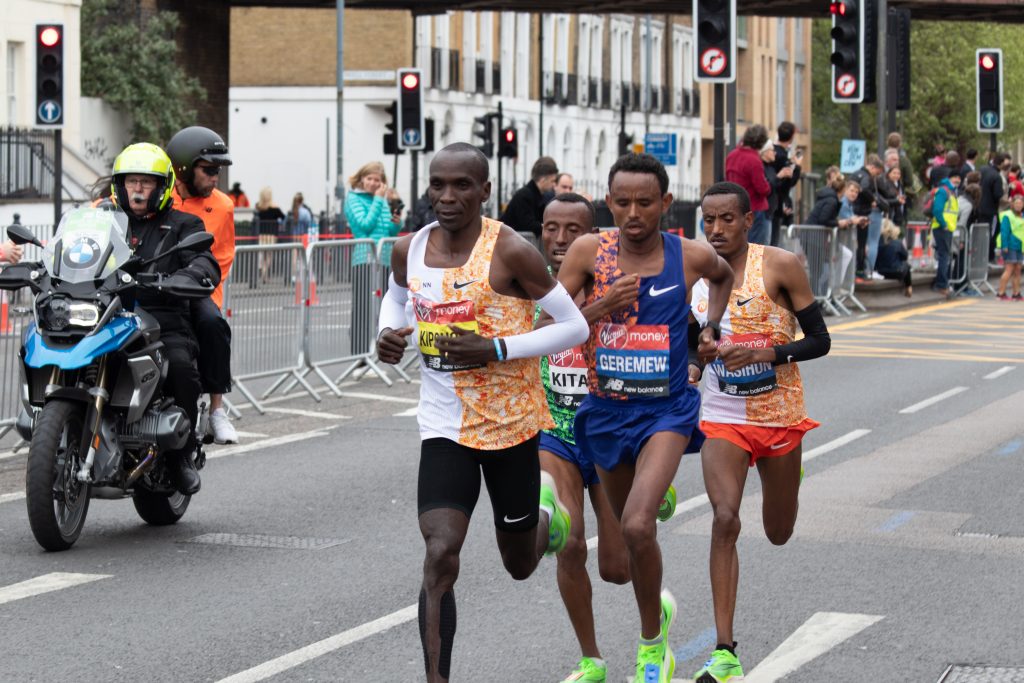
When it comes to marathons, few names resonate like Eliud Kipchoge. Last weekend, the legendary Kenyan lined up at the 2025 Sydney Marathon, marking a milestone for the event: the world’s greatest marathoner competing on Australian soil.

Kipchoge finished 9th place, crossing the line in 2:08:31, well behind Ethiopia’s Hailemaryam Kiros, who won in 2:06:06. For many, the result was secondary. What truly mattered was Kipchoge’s presence — a reminder that running’s impact goes far beyond podiums and records.

A More Human Marathon

Kipchoge didn’t travel to Australia to chase a world record. His participation was about something deeper: showing how running connects people. In the days before the race, he joined community runs, met young athletes, and shared insights about discipline and joy in training.

His message was consistent with the philosophy he has repeated throughout his career: running teaches resilience, focus, and connection — qualities that extend well beyond sport.

Lessons for the Everyday Runner

For amateur runners — those squeezing training into busy lives, chasing personal bests, or simply running for health — Kipchoge’s example in Sydney offers powerful lessons:

  • Consistency beats speed.
    His success was built on years of steady training, not shortcuts.
  • Mindset is trainable.
    Mental strength develops over time, through tough sessions and persistence.
  • Running builds community.
    From a friendly nod on the street to a supportive comment on Strava, running connects people everywhere.

Running With Purpose

Even without a medal in Sydney, Kipchoge’s legacy shone through. His ninth-place finish underscored that his role today is larger than winning races — it’s about inspiring runners worldwide.

Whether you run for health, challenge, friendship, or joy, his message is clear: intention matters more than time.

And if the greatest marathoner of all time is focused more on meaning than minutes, maybe we should be too.
More from the blog

Musings on swimming, running and riding for everyday athletes.

Why Small Races Might Be Your Biggest Performance Hack in 2026
16 Jan 2026

Why Small Races Might Be Your Biggest Performance Hack in 2026

In a world obsessed with big goals — marathons, epic granfondos, 50 km trail adventures, ultra-endurance challenges — there’s one truth most athletes overlook: 👉 Small races often drive the biggest improvements. Yes, those local 5–10K runs, short trail races, sprint triathlons, or modest BTT events.The ones that seem “too simple” to matter… but can […]

Read More
Why More Athletes Are Choosing “Micro-Goals” Instead of Big Resolutions in 2026
15 Jan 2026

Why More Athletes Are Choosing “Micro-Goals” Instead of Big Resolutions in 2026

Every January, athletes set ambitious goals: a first marathon, a big trail race, a new triathlon distance. But in 2026, there’s a growing trend among amateur athletes — replacing big resolutions with micro-goals. These small, manageable targets are proving far more effective for performance, consistency, and motivation. 1. Micro-goals reduce pressure and increase consistency Aiming […]

Read More
How to Use Your Training Data to Choose Smarter Races in 2026
14 Jan 2026

How to Use Your Training Data to Choose Smarter Races in 2026

In recent years, amateur athletes have started training with more information than ever before: GPS watches, power sensors, sleep metrics, running and cycling apps, and even simple handwritten training logs.But there’s one thing most people still don’t do well: using that data to choose the races that truly fit their profile and goals. With thousands […]

Read More
How to Get Better at MTB in 2026 (Even Without Adding More Training Hours)
13 Jan 2026

How to Get Better at MTB in 2026 (Even Without Adding More Training Hours)

5 simple adjustments that make an immediate difference on the trails Mountain biking has its own magic: technical trails, tough climbs, fast descents and that sense of freedom you only get on the dirt. But it’s also a sport where small adjustments create big improvements — especially if you want to progress without increasing training […]

Read More